


I will always subscribe to the truth that gut health largely dictates overall bodily function.
The gut is known as the second brain, so it is to no surprise that certain foods are associated
with insulin resistance, fatigue, and poor recovery. While many professionals working with athletes
emphasize flexibility, strength, endurance, and power, the first step to solidifying an athlete’s health
lies in food intake.
While I live in the Tampa Bay area, I grew up in a small town near Columbia, South Carolina. My dad and
I w
ould go to a local herbal store owned by naturopaths. One day, my dad and I met the owner of the store
who
gave us a list outlining the slough of seemingly healthy foods that, in fact, disrupted the gut. These
foods
cause an unhealthy amount of mucous in the gut and respiratory system.
First things first, healthy levels of mucous are needed in the gut due to nutrient absorption and water
regulation.
This mucus in the gut lining also serves as a protective layer in fighting off sickness-causing fungi,
viruses,
and bacteria. Too much mucous can cause respiratory challenges and diabetes. I used to be a huge fan of
the mango
pineapple refresher drink at Dunkin Donuts, I found that the more I drank it, the more I found myself
coughing up phlegm.
This became not only exhausting, but reminded me of how much even foods enriched with vitamins and
minerals have contributed
to dysbiosis. This tropical drink has been marketed as containing calcium and B vitamins, but is riddled
with sugar,
a phlegm-producing culprit.
While greek yogurt has been praised for its rich protein content, a much needed macromolecule for athletes, it is one of the culprits for excess mucus formation. The dairy content of yoghurt not only leads to overproduction of mucus, but is also known for causing chronic inflammation, if eaten consistently. When consuming animal products, it is important to understand that whatever the animal eats will often end up in your food products, so choose wisely. Some alternatives to dairy-filled yogurt include a cashew or oat-based yogurt.

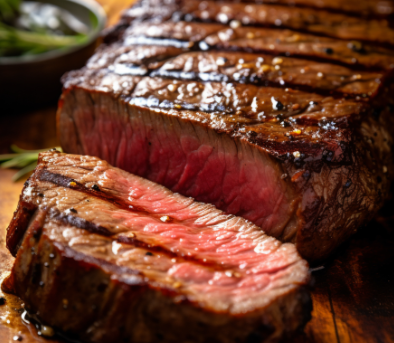
While red meat has been hailed as a rich source of iron, B12, and Zinc, excess consumption can lead to mucus build up in the body. Though overconsumption of red meat has been linked to cardiovascular disease, healthcare specialists still point toward its nutrient-density when consumed in moderation. There is still great controversy as to whether red meat should be associated with such cardiovascular ailments. Certain amounts of red meat have been recommended for female athletes with heavy menstrual flow.
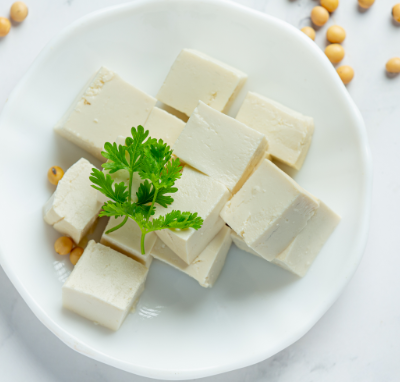
It is amazing to think back to the time where I was a vegetarian. In the 11th grade, I decided to cut out all meat products and go on a 7-year journey. This led to my exploration of various meat substitute products, which will typically have soy as a main ingredient. Studies have shown soy’s link to reducing the incidence of breast cancer. Even more so, these food products have allowed vegan and vegetarian athletes a huge edge in gaining lean muscle mass. However, soy products can cause increased mucus production in the respiratory system.
I remember during the early 2000s, many food companies would market their food items as cholesterol free. There used to be a huge myth that cholesterol was a bad thing for the body. However, within the most recent years, the scientific community has pointed to the importance of cholesterol in supporting cellular integrity, a health status undeniably important for high-performance athletes. Eggs are rich in amino acids, which are needed for protein building. Its fatty acid content has been attributed for its role in promoting cardiovascular health.


The Chiro PlayBook Copyright @ 2026
Designed & Developed by Terrance Boone